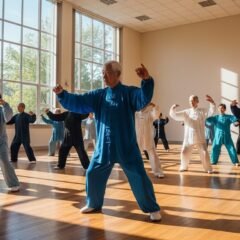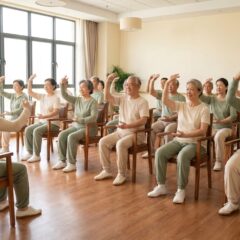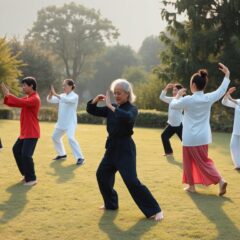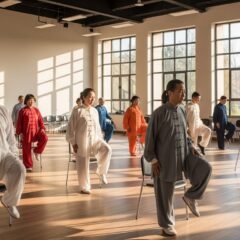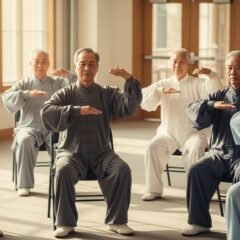
Welcome to the Tai Chi Learning Center: Your Complete Resource for Tai Chi Exercises, Balance Training, Pain Relief & More

The Tai Chi Learning Center is a research-backed, practical guide to tai chi for seniors, beginners, and anyone dealing with pain, balance problems, or limited mobility — including dedicated content on tai chi walking, seated chair exercises, and certified instructor training.

You're in the right place whether you've never tried tai chi before or you've been practicing for years and want to go deeper.


What Is Tai Chi — and Why Should You Care?

Tai chi is an ancient Chinese mind-body practice that improves your balance, reduces pain, and calms your nervous system — all through slow, flowing, low-impact movements that almost anyone can do.

No gym. No equipment. No joint stress.

It started as a martial art. Over time, it became one of the most studied therapeutic exercise practices in the world. And the research is genuinely impressive.

A study published in JAMA Internal Medicine found that tai chi reduced falls in older adults at high risk by 58% compared to traditional stretching. Harvard Health has described it as a "gentle, low-impact way to improve balance, strength, and flexibility without stressing joints." A review of 27 separate studies confirmed measurable improvements in seniors who practiced consistently.

Here's the thing — it's not just about physical gains. Tai chi lowers cortisol levels, releases endorphins, and creates neurological changes that protect brain health. Memory, processing speed, executive function. All of it improves.

That's why this site exists.


Who This Site Is For

Honestly? A pretty wide range of people.

  • Seniors wanting to move more safely and reduce fall risk
  • Adults managing arthritis, osteoporosis, or chronic back pain
  • Total beginners who don't know where to start
  • People with limited mobility who need chair-based options
  • Caregivers looking for safe resources for older loved ones
  • Health and fitness professionals interested in tai chi instruction

If any of that sounds like you — keep reading.


Your Starting Point: Tai Chi for Seniors

Tai chi is one of the best exercises for older adults because it improves balance, joint health, muscle strength, and cognitive function — all without impact or strain.

The science backs this up pretty hard. Seniors who practice twice a week reduce their fall risk by 43–47%. Arthritis patients report 30–40% less pain after three months. Brain scans of regular practitioners show increased gray matter in memory and learning regions.

What actually happens in the body? Tai chi's circular movements stimulate synovial fluid production — essentially a natural joint lubricant. They strengthen the muscles that stabilize joints. And the meditative component lowers cortisol, which reduces inflammation and improves sleep.

The site's foundational resource covers all of this in one place.

Tai Chi Exercises for Seniors: A Complete Guide walks through 10+ exercises specifically adapted for older adults — Standing Meditation, Torso Twists, Parting the Wild Horse's Mane, White Crane Spreads Its Wings, Grasp Sparrow's Tail, and more. It also includes a full 12-week beginner training schedule, chair-based variations, and a section on whether tai chi is covered by Medicare or insurance programs.

Start there if you're not sure where to begin.


Seated & Chair Tai Chi — When Standing Isn't an Option

Seated tai chi delivers real, measurable benefits — improved flexibility, better balance, and reduced stress — even if you can't stand for extended periods.

Mobility limitations don't have to keep you out. Post-surgery recovery, severe joint pain, neurological conditions — none of these mean tai chi is off the table. Chair-based practice preserves the core principles: breath coordination, flowing movement, mindful focus. Just adapted for a seat.

Two guides cover this in depth:

16 Best Seated Tai Chi Chair Exercises for Seniors — a full set of movements designed to improve balance, flexibility, and mental well-being while accommodating mobility limitations. Designed for seniors, but genuinely useful for anyone.
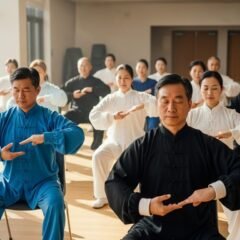
12 Essential Tai Chi Seated Exercises for Beginners — if you've never done this before and need a simple, structured starting point you can do entirely from home, this is it.

Caregivers take note: both of these are excellent resources for assisted living settings and home care situations.


Balance & Fall Prevention — The Core Benefit

Falls are the leading cause of injury-related death among Americans 65 and older. Tai chi is one of the most effective tools available to prevent them — full stop.

Here's what tai chi actually does to your body's balance system:

What Improves How Tai Chi Helps
Proprioception Slow weight shifts train your body's position awareness
Dynamic balance Moving through forms builds stability in motion
Reaction time Consistent practice speeds up your neuromuscular response
Leg & core strength The bent-knee stances create sustained muscle engagement
Fear of falling Reduced anxiety leads to more movement, which improves balance further

That last one matters more than people realize. Fear of falling causes people to move less. Less movement means weaker muscles and worse balance. It's a cycle — and tai chi breaks it.

Three guides go deep on this:

15 Best Tai Chi Balance Exercises for Seniors — age-appropriate balance training using classical tai chi movements, organized to complement a broader fitness plan.

14 Essential Tai Chi Exercises for Balance — a thorough look at how specific tai chi movements systematically challenge and rebuild your equilibrium. More detailed than it sounds.

15 Best Fall Prevention Balance Exercises for Seniors — goes beyond tai chi to cover the full clinical picture of fall prevention exercises. Worth reading if fall risk is a serious concern.

Even modest, consistent practice produces measurable results. You don't have to become an expert. You just have to show up regularly.


Tai Chi for Pain Relief — Knees, Back & Bones

Tai chi reduces chronic pain by lubricating joints, strengthening supportive muscles, improving posture, and lowering the cortisol-driven inflammation that makes everything hurt more.

Three major pain categories are covered on this site.

Osteoporosis

Roughly 90% of hip fractures in older adults are caused by falls — which is why fall prevention is the real game-changer for osteoporosis management, not just bone density.

Tai chi works on both fronts. It's a weight-bearing exercise, which means it stimulates osteoblasts (the cells that form bone) and can slow bone mineral density loss. Research shows postmenopausal women who practice regularly experience measurably less bone deterioration than sedentary peers. And it cuts fall risk by 20–40%.

15 Best Tai Chi Exercises for Osteoporosis covers warm-up and joint mobilization, fluid motion and balance work, and strength and stability exercises — all calibrated for people with fragile bones. No excessive joint loading. No fracture risk.

Knee Osteoarthritis

Knee pain stops people from being active. Less activity means weaker muscles and more pain. Sound familiar? Same cycle as the fall risk issue — and tai chi addresses it the same way.

The circular, low-impact movements lubricate the knee joint through controlled motion. The sustained bent-knee stances strengthen the quadriceps, hamstrings, and glutes that support the joint. Arthritis patients consistently report significant pain reduction after a few months of practice.

15 Best Tai Chi Exercises for Knee Osteoarthritis Pain Relief walks through exercises specifically selected for knee health — with modifications for different pain levels.

Lower Back Pain

Millions of adults deal with chronic lower back pain that limits daily life. Most conventional advice (rest, stretching, pain medication) doesn't address the root causes — weak core muscles, poor posture, tight hip flexors, and sedentary habits.

Tai chi does.

17 Best Tai Chi Exercises for Lower Back Pain Relief targets the specific muscles responsible for most lower back pain, with modifications for different pain levels and clear progressions.


Tai Chi Walking — Mindful Movement in Motion

Tai chi walking brings the balance-building and mental clarity benefits of tai chi into an everyday activity almost anyone can do.

It's not regular walking. It's intentional — slow heel-to-toe weight shifts, upright posture, coordinated arm movement, conscious breath. It takes the principles of tai chi and puts them in motion.

Particularly good for seniors working on gait stability. Also a smart bridge for people who've been doing seated exercises and are ready to add more active movement. You're not jumping into full standing forms — you're building the proprioception and body awareness that makes those forms possible.

The Tai Chi Learning Center features dedicated content on tai chi walking as part of its broader commitment to accessible, practical practice. It's genuinely underrated and worth your time.


How to Learn Tai Chi — Courses, DVDs & At-Home Options

The biggest question beginners have: "Where do I actually start?" The site covers every realistic learning path.

Online Courses

Best Free and Paid Online Tai Chi Courses for Beginners covers the full range — free YouTube resources like Dr. Paul Lam's Tai Chi Productions and Tai Chi Made Easy with David-Dorian Ross (7-time U.S. national champion, world silver medalist), budget-friendly Udemy options, and dedicated tai chi membership platforms.

Some of the free stuff is genuinely excellent. Don't assume paid automatically means better.

DVDs and Home Learning

Not everyone wants to stream. Some people prefer a physical disc they can play on a TV without fussing with apps or subscriptions. Completely valid.

Best Tai Chi DVDs for Seniors reviews the top-rated options — including Tai Chi Fit: Over 50 Beginner Exercises by David-Dorian Ross and Tai Chi for Arthritis by Dr. Paul Lam. Both are designed specifically for older adults. No memorization required. No prior experience needed.

Practical Starting Tips

A few things that actually matter when you're starting out:

  • 15–20 minutes daily beats an hour once a week. Consistency is the whole game.
  • Learn breath coordination alongside movement — not as an afterthought
  • Start with basic stances before forms. The foundation matters.
  • Progress to full forms over weeks and months — not days

Don't rush it. Tai chi rewards patience more than most practices.


Become a Certified Tai Chi Instructor

If you want to teach tai chi professionally, certification isn't optional — it's what separates credible instruction from well-meaning guesswork.

This matters especially in health-focused settings: senior centers, physical therapy clinics, community wellness programs, hospital-based rehabilitation. These environments need instructors with documented training and verifiable credentials.

How to Become a Certified Tai Chi Instructor With In-Person or Online Workshops covers the full process — choosing between health-focused and traditional martial arts programs, completing 50–200+ training hours, passing performance assessments, and maintaining certification through annual renewal and continuing education.

The guide also compares the best certification programs currently available, which is genuinely useful since the landscape is fragmented and hard to parse on your own.

And yes — certified tai chi instruction is increasingly recognized in clinical settings, and some insurance and Medicare programs are beginning to acknowledge it. Worth knowing if you're building a teaching practice.


What to Explore Next

Exercises — The full library of tai chi exercises organized by health goal, condition, and ability level. Biggest section on the site.

Forms — Traditional tai chi forms including Yang-style 24 Form, posture names, and their classical meanings. Good for practitioners who want to go deeper into the art itself.

DVDs — Curated reviews of the best home learning options for different goals and experience levels.

Classes — Online courses from beginner to intermediate, reviewed and compared.

Certification Programs — For those who want to teach. Covered above, but the category page has more.

Books — Reviews of the best tai chi books for both practice and study.

History — Origins and philosophy of tai chi, for those who want context beyond the exercises.